Summary
- 2026-09-22-pse-qa-akhil-patel-part-1 (2026-09-22): The top-watching rotation map stated directly — out of tech/cyclicals into defensives (utilities, healthcare), with finance noted as a sector that “often peaks after the broader market” because credit creation is still running. Patel’s specific tell for the bull-market end is behavioural: this bull market’s lows have sat on prior highs “like a bit of a staircase,” and the first low that fails to hold the previous high is the break. He judges private-credit/AI-valuation worries too widely discussed to be the trigger. — confidence: high [Source: PSE Q&A, Akhil Patel, 2026-09-22] In the late stage of the 18.6-year cycle, investment capital rotates from technology/growth stocks into industrial, resource, banking, and infrastructure stocks (“HALO” — Heavy Asset Low Obsolescence). This rotation pattern has been visible since late 2025/early 2026: Nasdaq peaked October 2025 (with Bitcoin), while UK FTSE, Nikkei, Germany, Australia indices broke out to new highs. Dow Jones peaked February 10, 2026. The rotation is consistent with the pattern seen in prior cycles.
Core Claims
-
2026-03-02-roadmap-cycle-update-february (2026-03-02): Capital rotating from US tech into European/Asian/industrial/resource/banking stocks (FTSE, Nikkei, Germany, Australia). — confidence: high
-
2026-05-13-gann-sub-email-gann-10-for-2026-market-update-13-may (2026-05-13): iShares US Home Construction ETF (ITB) made its high October 2024 — echoing the 2005 homebuilder top that preceded the 2007 S&P peak by two years. Home goods retailers (Ethan Allen/ETD, RH, Home Depot/HD) are breaking to multi-year lows with S&P near record highs. — Phil Anderson — confidence: high
-
2026-05-13-gann-sub-email-gann-10-for-2026-market-update-13-may (2026-05-13): XLF (Financial Select Sector SPDR) has not returned to January 2026 highs and is struggling to break above the 200-day moving average — financials joining homebuilders as a lagging cyclical sector. — Phil Anderson — confidence: high
-
2026-05-13-gann-sub-email-gann-10-for-2026-market-update-13-may (2026-05-13): Commodity sectors (DBA agriculture) continue to show relative strength — consistent with late-cycle commodity rotation. — Phil Anderson — confidence: high
-
2026-03-02-roadmap-cycle-update-february (2026-03-02): Nasdaq peaked Oct 2025; Dow peaked Feb 10, 2026. — confidence: high (confirmed)
-
2026-03-02-roadmap-cycle-update-february (2026-03-02): HALO stocks = “Heavy Asset Low Obsolescence” — manufacturers, utilities, defence, resource companies. — confidence: high
-
2026-03-02-roadmap-cycle-update-february (2026-03-02): “Era of US stock market exceptionalism is now over.” — confidence: high
-
2026-06-22-gann-18-portfolio-update (2026-06-22): “Developed international and emerging market equities performed strongly against the U.S. at the end of the last cycle into 2008.” DXY break above 100 — if it reverses on the solstice seasonal date, IEFA (iShares Core MSCI EAFE ETF, unhedged) is setting up in a Mexican Pete pattern and would benefit from a weakening dollar. Explicit 2008-cycle parallel for the international-vs-US rotation. — confidence: high [Source: PSE Gann #18, 2026-06-22]
-
2026-03-02-roadmap-cycle-update-february (2026-03-02): Dow Jones Transportation Average strong — historically tops AFTER the Industrial Average (May 2008 vs Oct 2007). — confidence: high
-
2026-03-02-roadmap-cycle-update-february (2026-03-02): Equal-weighted S&P500 outperforming cap-weighted since late 2025 = broad participation. — confidence: high
-
Commodity vs. stock rotation (Jul 2026): Anderson systematises the commodity/S&P ratio as a late-cycle rotation indicator using the S&P GSCI / S&P 500 ratio. Historical spikes in this ratio (commodities outperforming stocks) occurred in 1973, 1990, and 2008 — all real estate cycle peaks. The current commodity rally has not yet produced a similar ratio spike, suggesting the rotation from stocks to commodities may still have further to run. GSG (iShares S&P GSCI Commodity ETF) broke out from a four-year Mexican Pete basing pattern, confirming the commodity-side of the rotation thesis. [Source: [[2026-07-28-gann-24-commodities-breakout-gsg-dba-drs|Gann #24]], 2026-07-28]
-
Aug 2026 (BBI Q&A): Akhil Patel works through the performance of different sectors in this BBI session, with resources, oil, bonds, and “crafty accounting” all discussed. Continues the late-cycle sector rotation theme with resources and oil as focal points. [Source: BBI August 2026 Q&A, 2026-08-20]
Mechanism / How It Works
- Early cycle: tech/growth stocks lead (high risk appetite, low rates)
- Mid-cycle: tech continues to lead but narrative shifts (cash piles → AI investment → debt)
- Late cycle: tech narrative collapses (AI cost pressure on SaaS, capital exhausted)
- Capital rotates to HALO: large physical assets, long lead times, permitting moats
- Industrial countries (UK, Germany, Japan, Australia) outperform US tech-heavy indices
- Dow Transports top last — when transports break, the broader cycle is ending
Applications
- UK FTSE, Nikkei, DAX, ASX breaking out = late-cycle rotation signal (confirmed early 2026)
- HALO sector: buy industrials, utilities, defence, materials/resources
- ASX listed large bank ETF (BNKS): up 140% from Oct 2022 lows as of Feb 2026
- Watch Dow Transports for the late-cycle warning
- DXY reversal as rotation trigger (Jun 2026): Anderson links a reversal of the DXY break above 100 to a tailwind for developed international equities via IEFA (unhedged MSCI EAFE ETF). The mechanism: a weakening dollar boosts unhedged international equity returns for US-based investors. The setup is a Mexican Pete ascending triangle in IEFA, with the dollar reversal as the catalyst. This directly parallels the 2008-cycle rotation where international and EM equities outperformed the US. [Source: PSE Gann #18, 2026-06-22]
Contradictions & Open Questions
- Rotation from US tech started — but US markets still large; full rotation could take months
- HALO outperformance: when does it end (with the overall cycle)?
- As of May 2026, five mega-cap AI stocks account for half of S&P gains since April — yet AI tech is supposed to be a sector that lags late-cycle. Does AI exceptionalism complicate the standard rotation thesis?
- Darren Wilson (BBB Postcard #39, July 15 2026): Gold dropping while oil rises may signal capital flowing out of AI and US tech stocks despite strong earnings reports — share prices declining as money exits. If confirmed, this would represent an acceleration of the sector rotation thesis: not just relative underperformance (Nasdaq peaked Oct 2025 while industrials/resources continued higher), but absolute capital withdrawal from the AI complex even as fundamentals remain strong. The mechanism would be consistent with late-cycle liquidity stress — forced selling of winners to cover losses elsewhere. [Source: [[2026-07-15-bbb-postcard-39-mercury-retrograde-grain-markets|BBB Postcard #39]], 2026-07-15]
- Commodity/S&P ratio as rotation timing tool (Gann #24, July 28 2026): The S&P GSCI / S&P 500 ratio has not yet spiked in 2026 despite the commodity rally. Historical spikes (1973, 1990, 2008) coincided with real estate cycle peaks. The absence of a spike suggests either (a) the commodity blow-off is still ahead, or (b) the ratio spike could be driven by a sharp equity pullback rather than further commodity upside — both consistent with the stock-to-commodity rotation thesis. [Source: [[2026-07-28-gann-24-commodities-breakout-gsg-dba-drs|Gann #24]], 2026-07-28]
Related Concepts
Visual Evidence
Slides illustrating sector rotation, market phase transitions, and comparative performance.
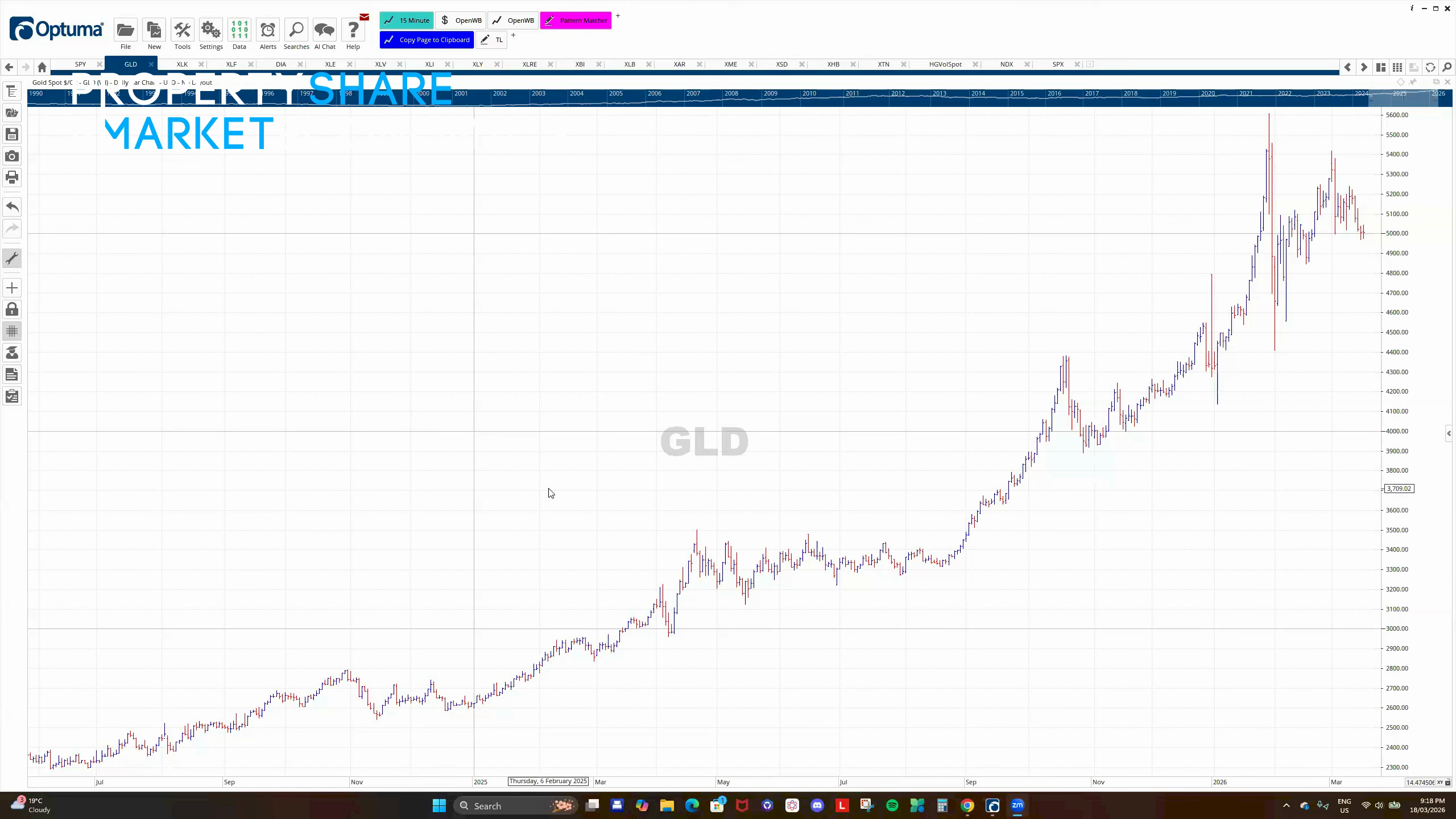 Stock market data with sector indicators — market phase tracking chart.
Source: PSE Video
Stock market data with sector indicators — market phase tracking chart.
Source: PSE Video
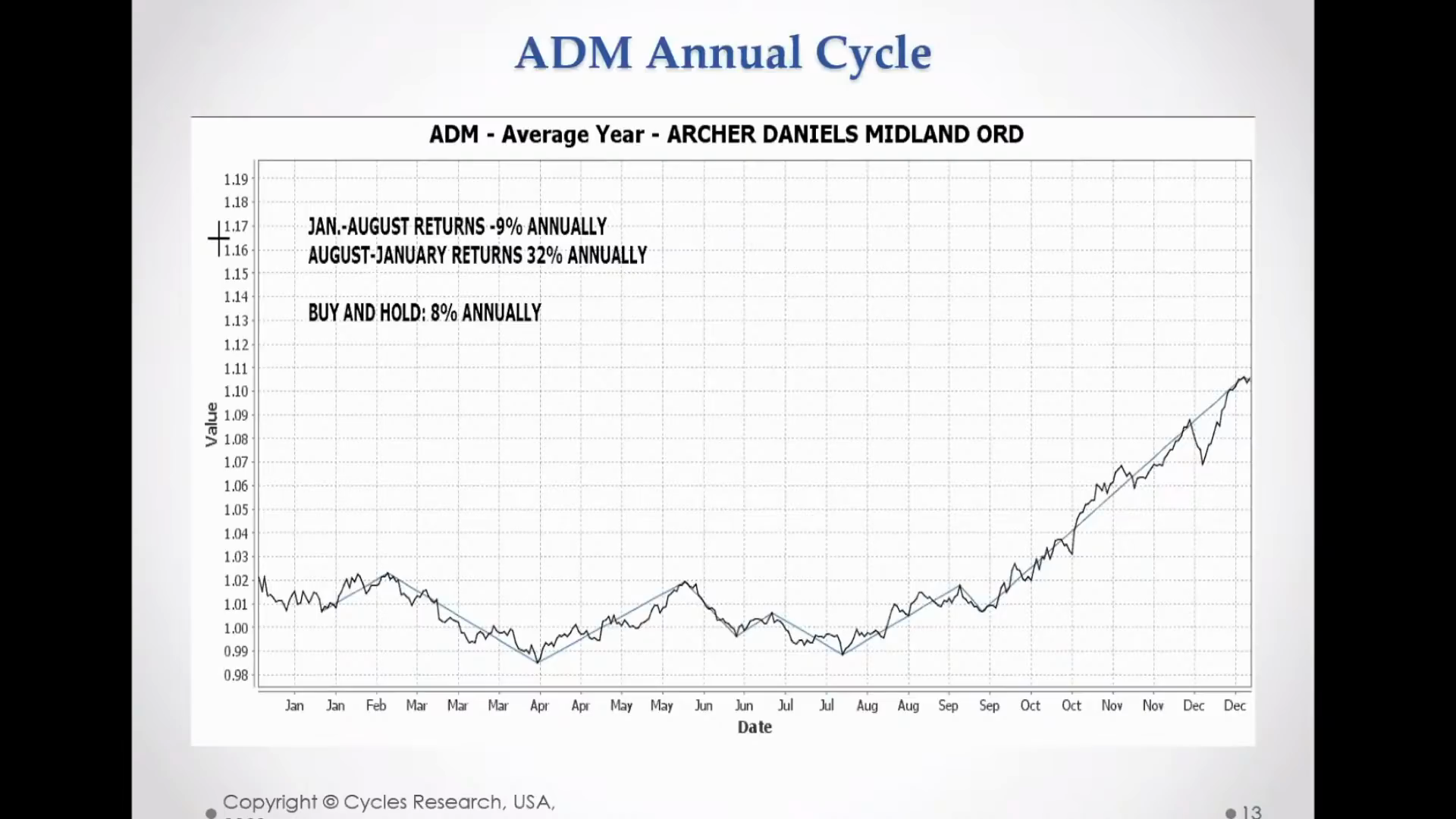 ADM annual cycle with returns — annual seasonal cycle patterns by sector.
Source: PSE Video
ADM annual cycle with returns — annual seasonal cycle patterns by sector.
Source: PSE Video
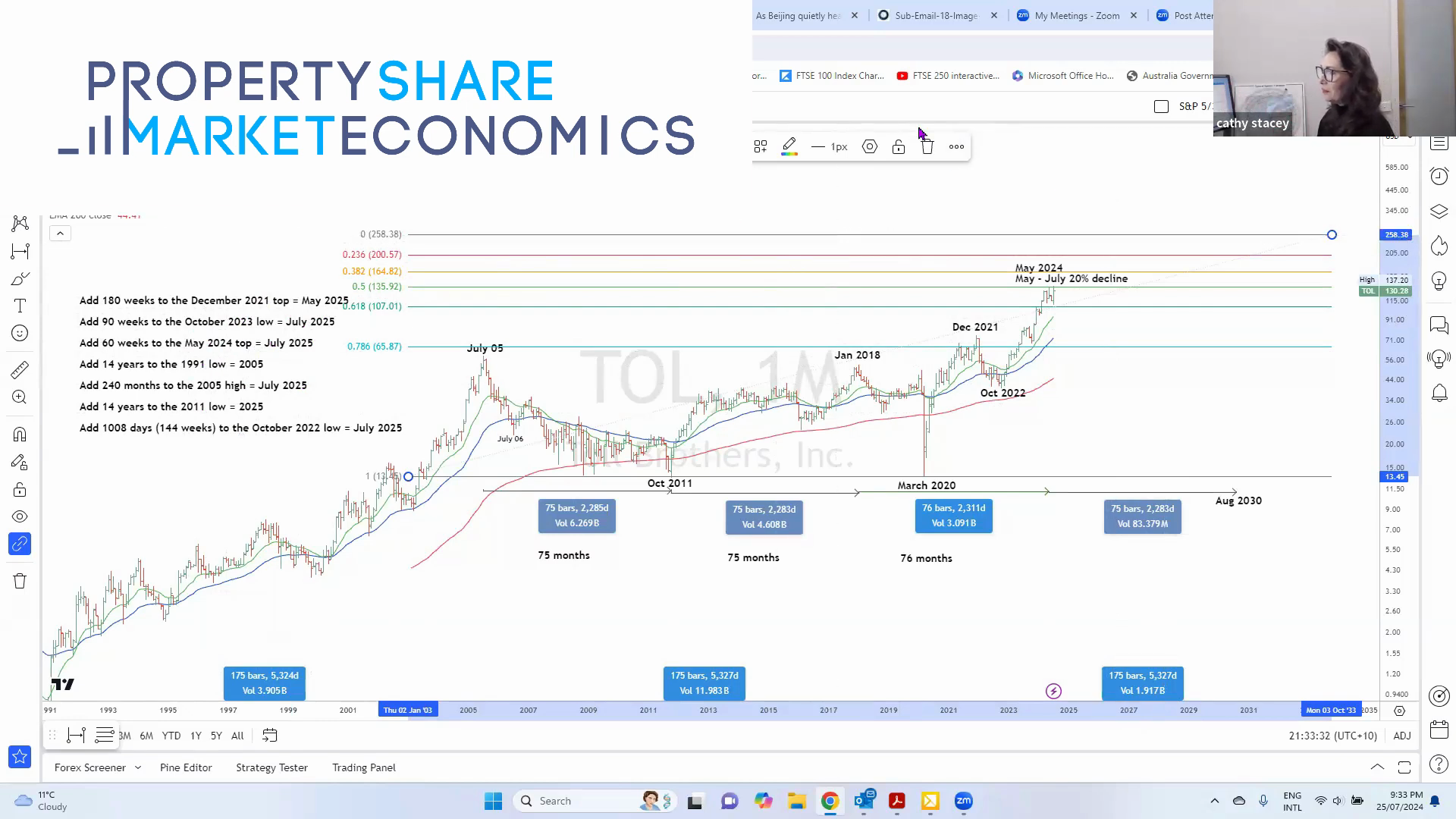 Stock performance comparison — time series chart comparing sector returns.
Source: PSE Video
Stock performance comparison — time series chart comparing sector returns.
Source: PSE Video
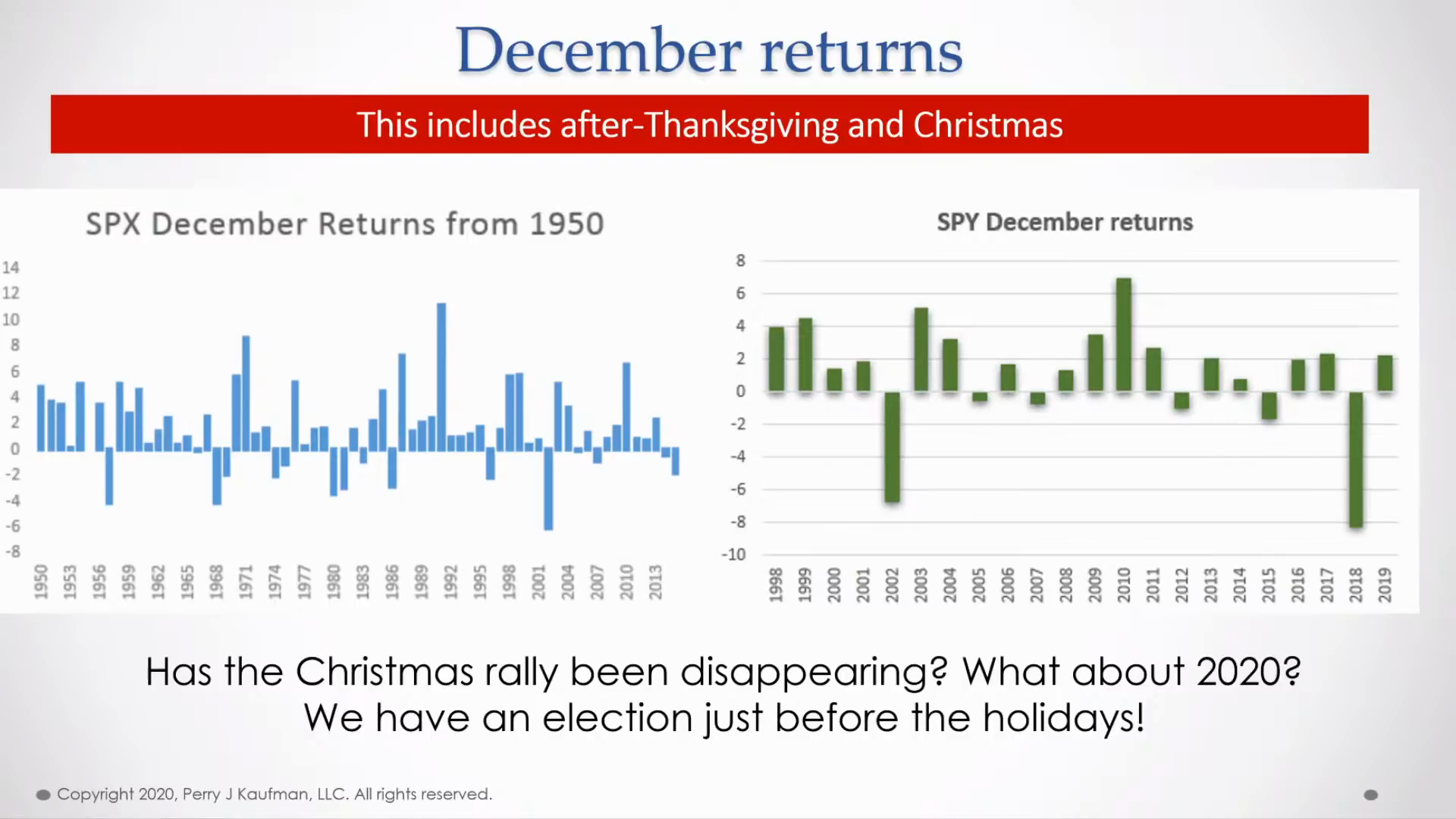 December SPX/SPY returns — year-end seasonal pattern for equity rotation.
Source: PSE Video
December SPX/SPY returns — year-end seasonal pattern for equity rotation.
Source: PSE Video
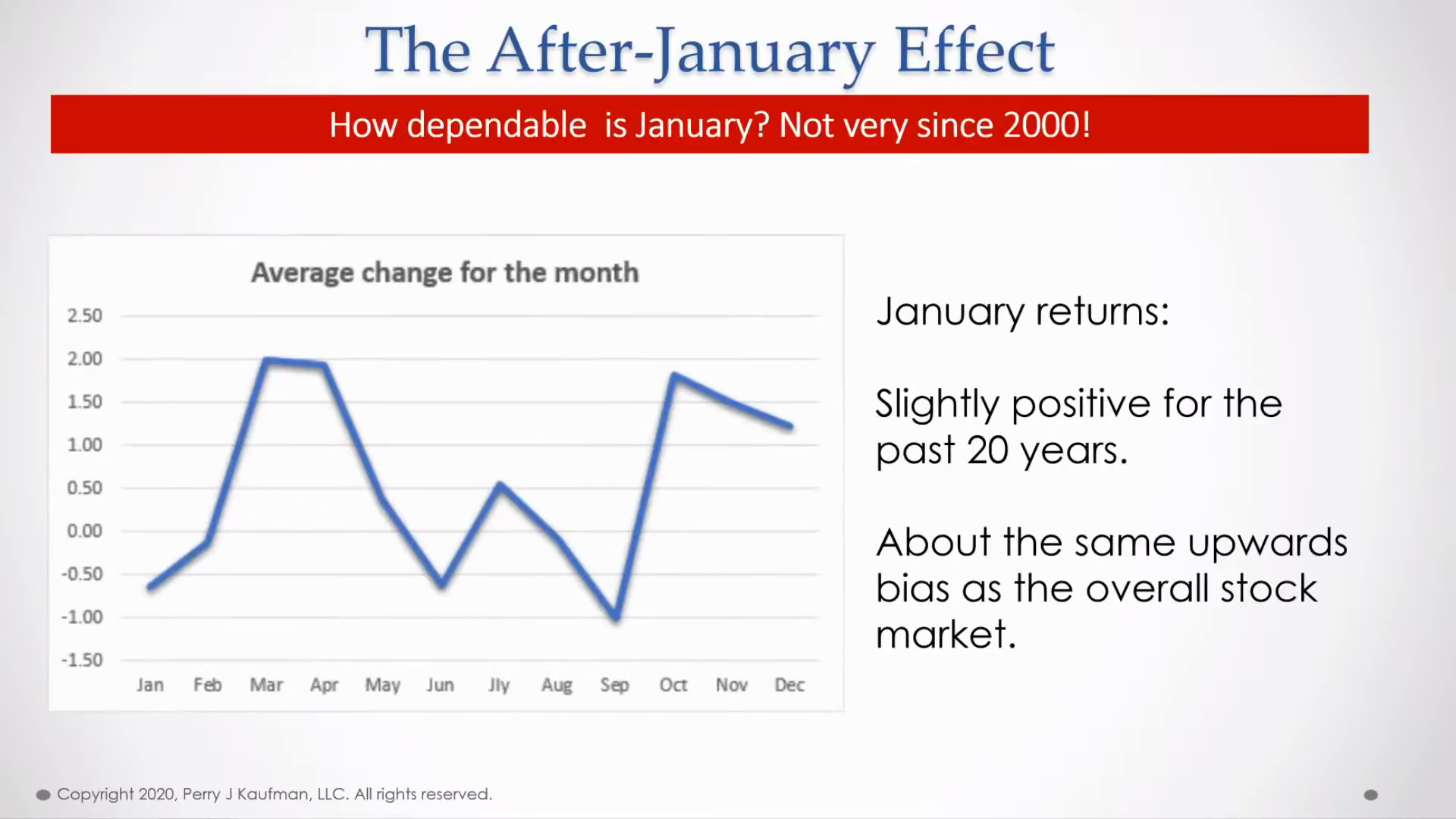 The After-January Effect — seasonal market pattern relevant to sector rotation timing.
Source: PSE Video
The After-January Effect — seasonal market pattern relevant to sector rotation timing.
Source: PSE Video
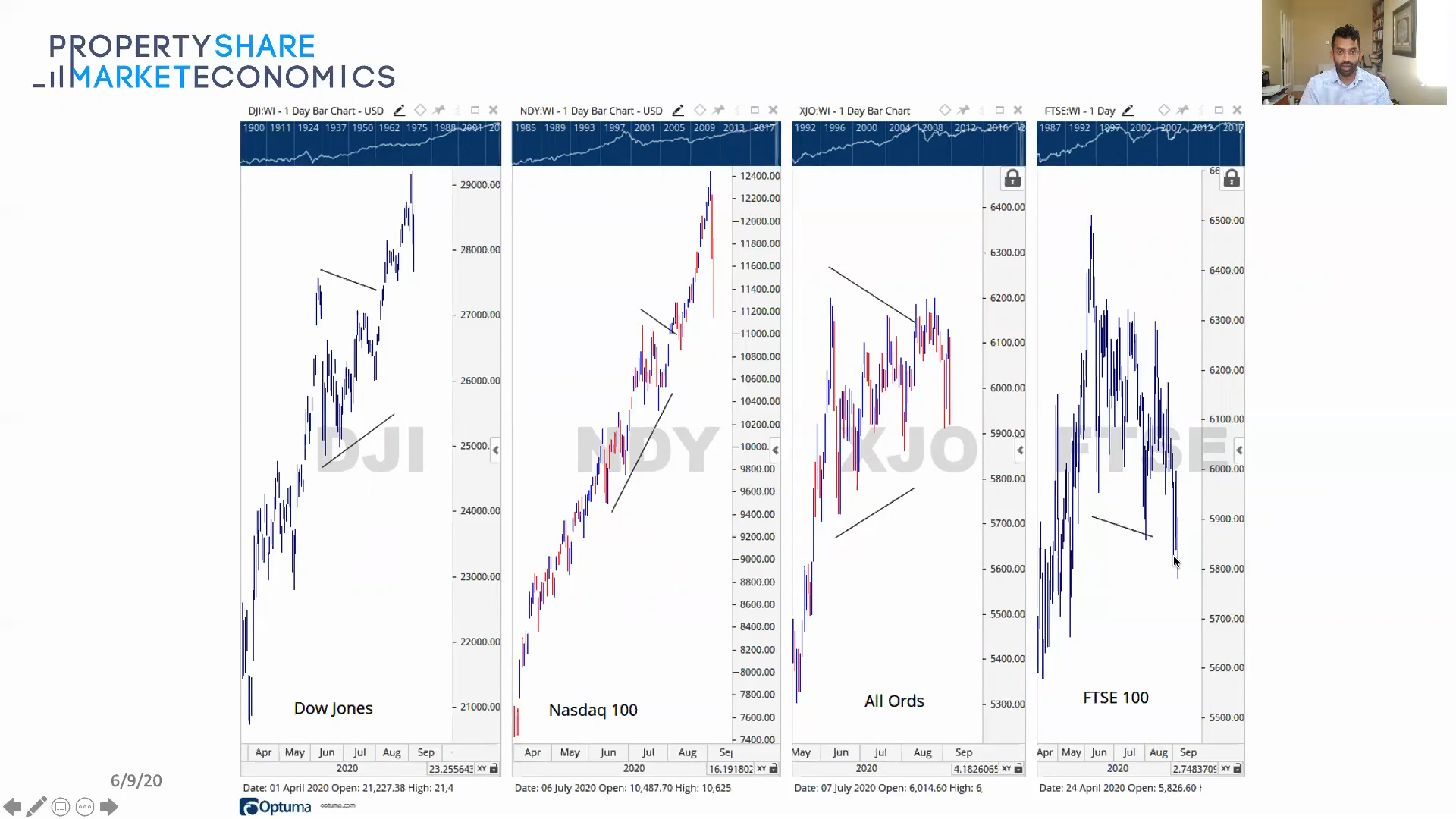 Dow Jones / Nasdaq / All Ords — comparative performance of major indices across cycle.
Source: PSE Video
Dow Jones / Nasdaq / All Ords — comparative performance of major indices across cycle.
Source: PSE Video
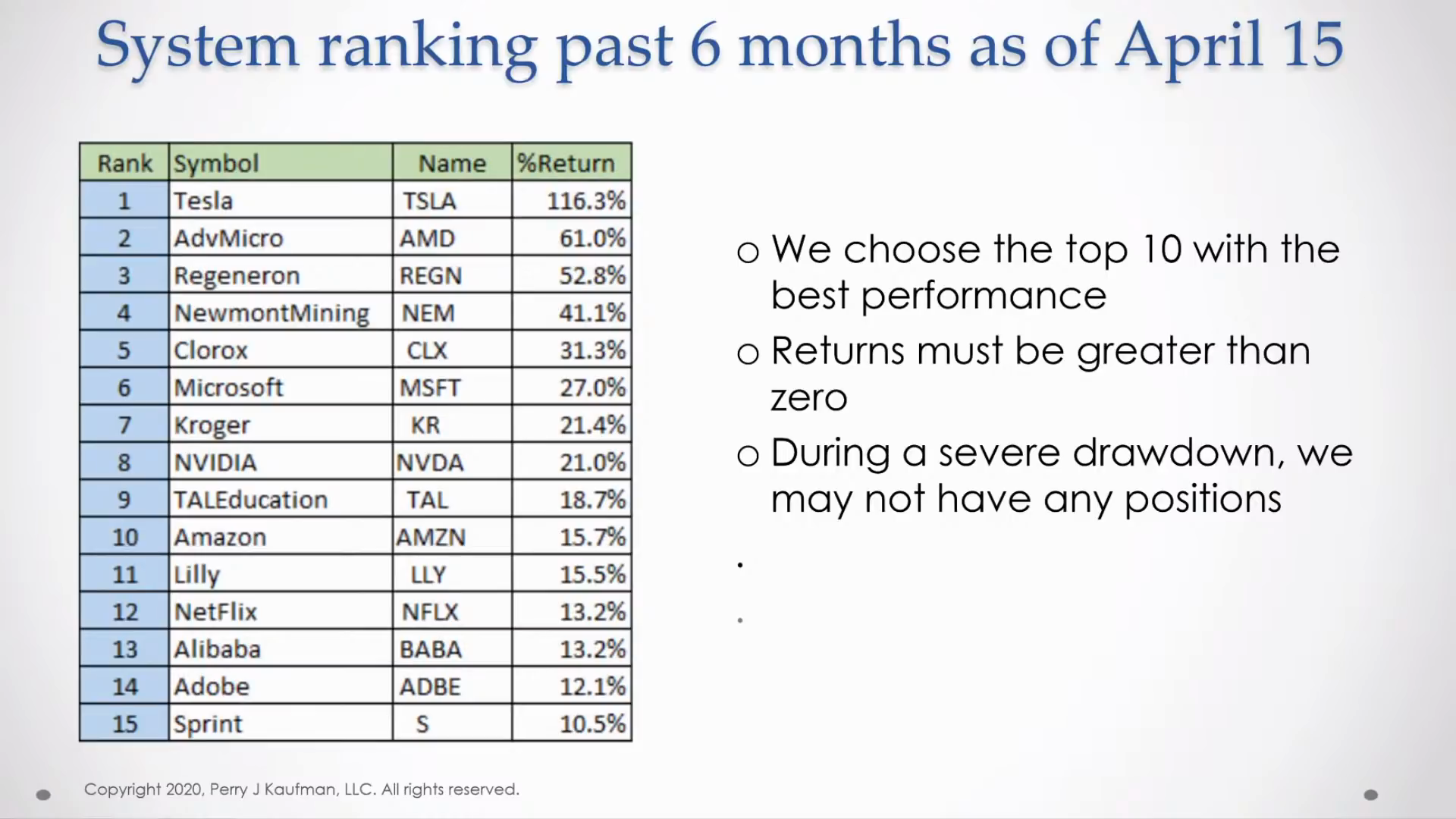 Best performing stocks table — ranked sector performance in the last real estate cycle.
Source: PSE Video
Best performing stocks table — ranked sector performance in the last real estate cycle.
Source: PSE Video