Fiscal Dominance
Definition
Fiscal dominance occurs when a government’s fiscal needs (spending, deficit financing) override the central bank’s monetary policy mandate, forcing the central bank to finance government debt at artificially low interest rates. This typically results in inflation that cannot be controlled by the very rate hikes that normally fight it — because rate hikes increase debt service costs, which increases the fiscal deficit, which requires more monetary accommodation.
The Perverse Loop
- Government runs large deficits
- High interest rates raise debt service costs dramatically
- Government pressures central bank to lower rates or buy government bonds
- Lower rates → inflation
- Inflation → higher rates needed
- But higher rates → higher debt service → back to step 1
Phil Anderson’s Analysis (BBI 2026)
Phil Anderson introduced this concept in the January 2026 BBI session:
“Fiscal dominance is when the monetary tightening to fight inflation might actually lead to more inflation. It’s when the government itself forces the central bank to finance the government cheaply.”
Historical examples cited:
- Weimar Germany (1920s): Runaway inflation from central bank financing government
- Turkey (Erdogan era): Erdogan printed vast amounts of currency for construction; inflation running at ~80% annually
- US (Trump 2.0 risk): Trump seeking to replace Fed Chair Powell; seeking 50-year mortgages, eliminating bank regulations; trying to push rates lower through political pressure
Implications for the 2026 Cycle
- If fiscal dominance takes hold, the post-cycle downturn may be accompanied by inflation rather than deflation
- This supports the PSE thesis of debt default or currency debasement (not 1930s-style deflation) as the post-2026 scenario
- “The bond market gets a whiff of that” = potential for rapid bond market crisis
- Result: hold real assets, not cash in post-2026 environment
Risk to US Dollar Reserve Status
Phil (January 2026): “I think that’s clear what Trump is trying to do. He clearly believes that you can get interest rates much lower which would feed to inflation.”
Key concern: US fiscal dominance would debase the dollar, eroding its reserve currency status — which is what opens the door to alternative reserve assets (gold, crypto, SDRs).
Key Sources
- 2026-01-22-bbi-january-2026 — Phil’s detailed fiscal dominance analysis
- 2021-12-01-bbi-december-2021 — post-2026 currency debasement scenario
- 2022-07-01-bbi-july-2022 — post-2026 debt/currency crisis thesis
- 2026-07-02-pse-sub-29-july-commentary (2026-07-02): Rising government borrowing costs globally (Bloomberg, May 22) and mounting interest payments as a share of GDP across major economies. US vulnerability compounded by Iran war spending and permanent armaments increases. “History shows all economic excesses are eventually ‘popped’ by rising interest rates” — the rate-driven fiscal squeeze is the mechanism by which fiscal dominance materializes. [Source: PSE Sub #29, 2026-07-02]
Visual Evidence
Slides illustrating fiscal dominance dynamics, government debt, and their market implications.
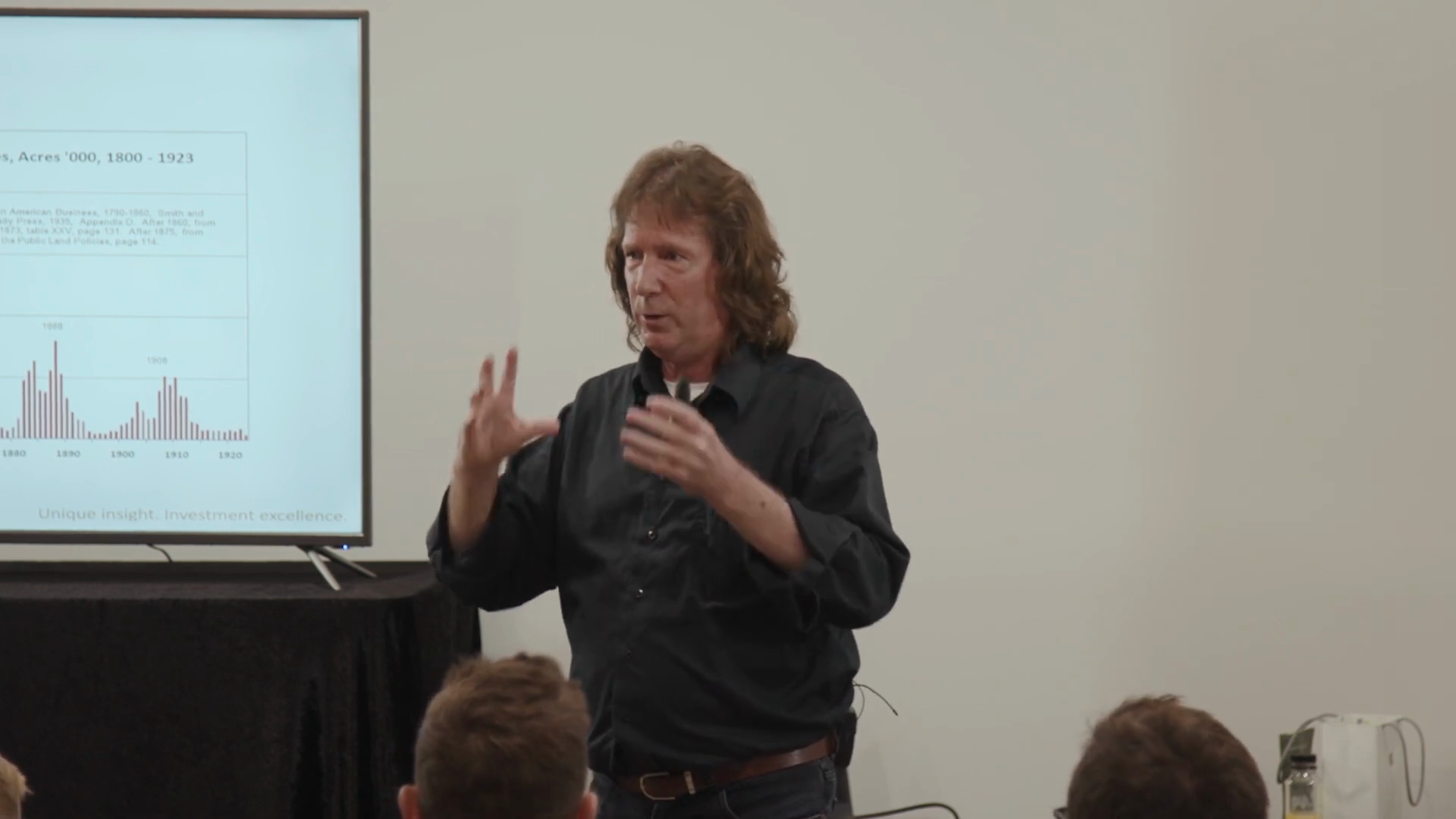 US public land sales — historical chart of public land sales as fiscal policy context.
Source: 2022-10-01-bbi-gold-coast-session-part-1
US public land sales — historical chart of public land sales as fiscal policy context.
Source: 2022-10-01-bbi-gold-coast-session-part-1
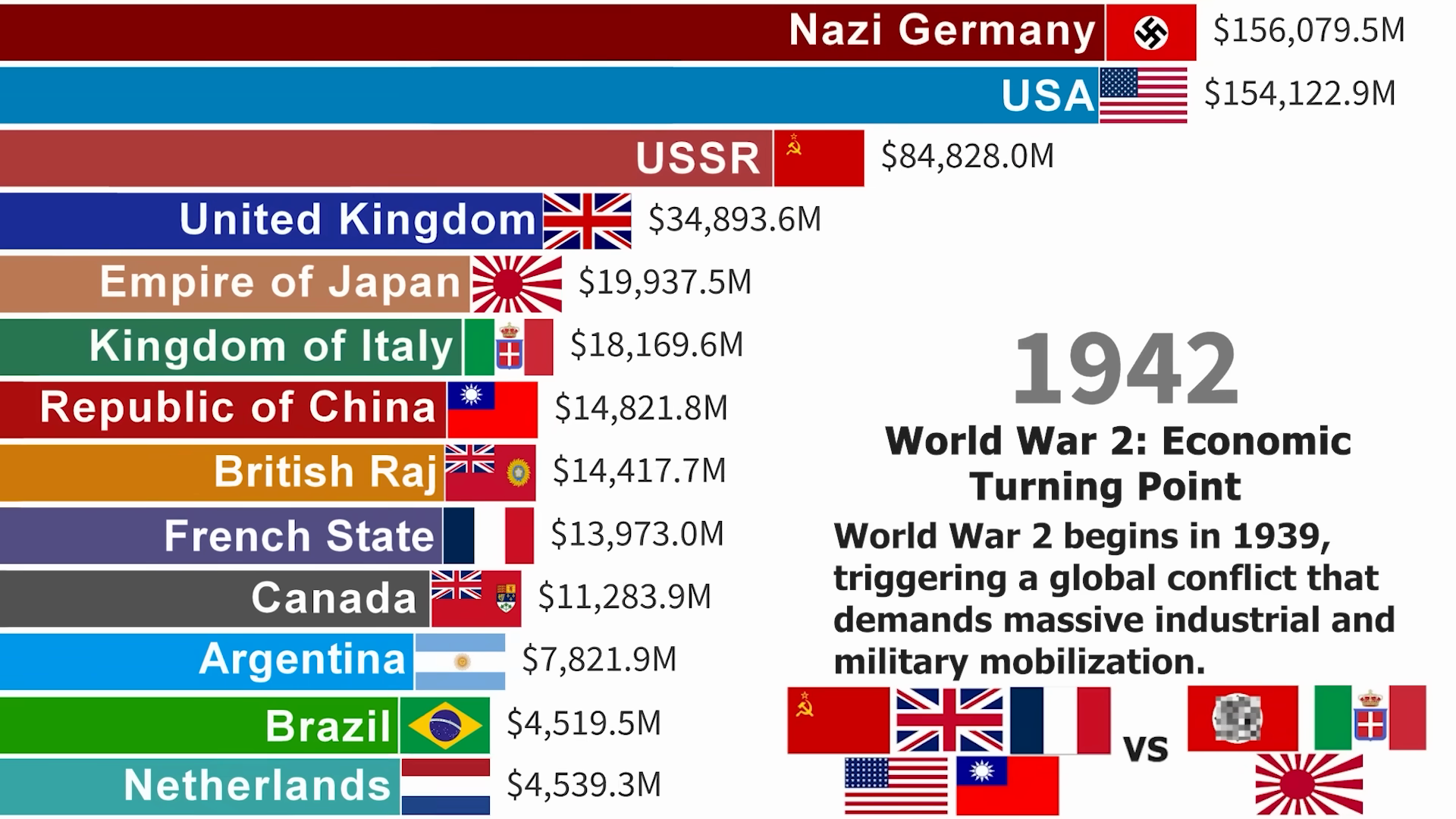 GDP figures — government fiscal position relative to GDP.
Source: PSE Video
GDP figures — government fiscal position relative to GDP.
Source: PSE Video
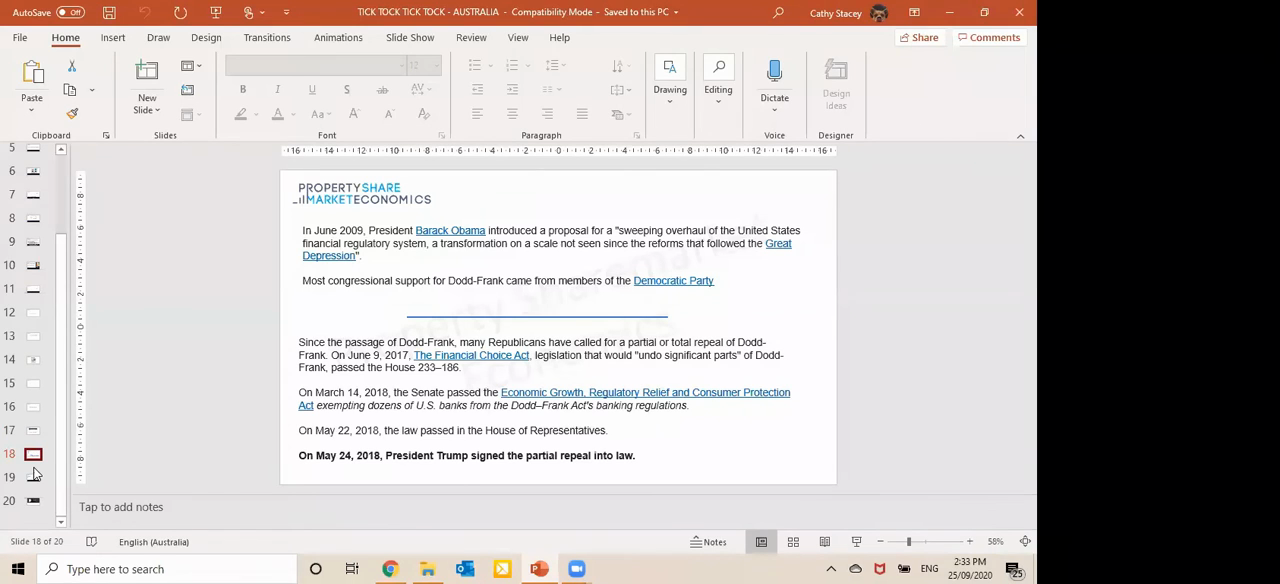 Federal Reserve system — central bank role in fiscal dominance dynamics.
Source: PSE Video
Federal Reserve system — central bank role in fiscal dominance dynamics.
Source: PSE Video
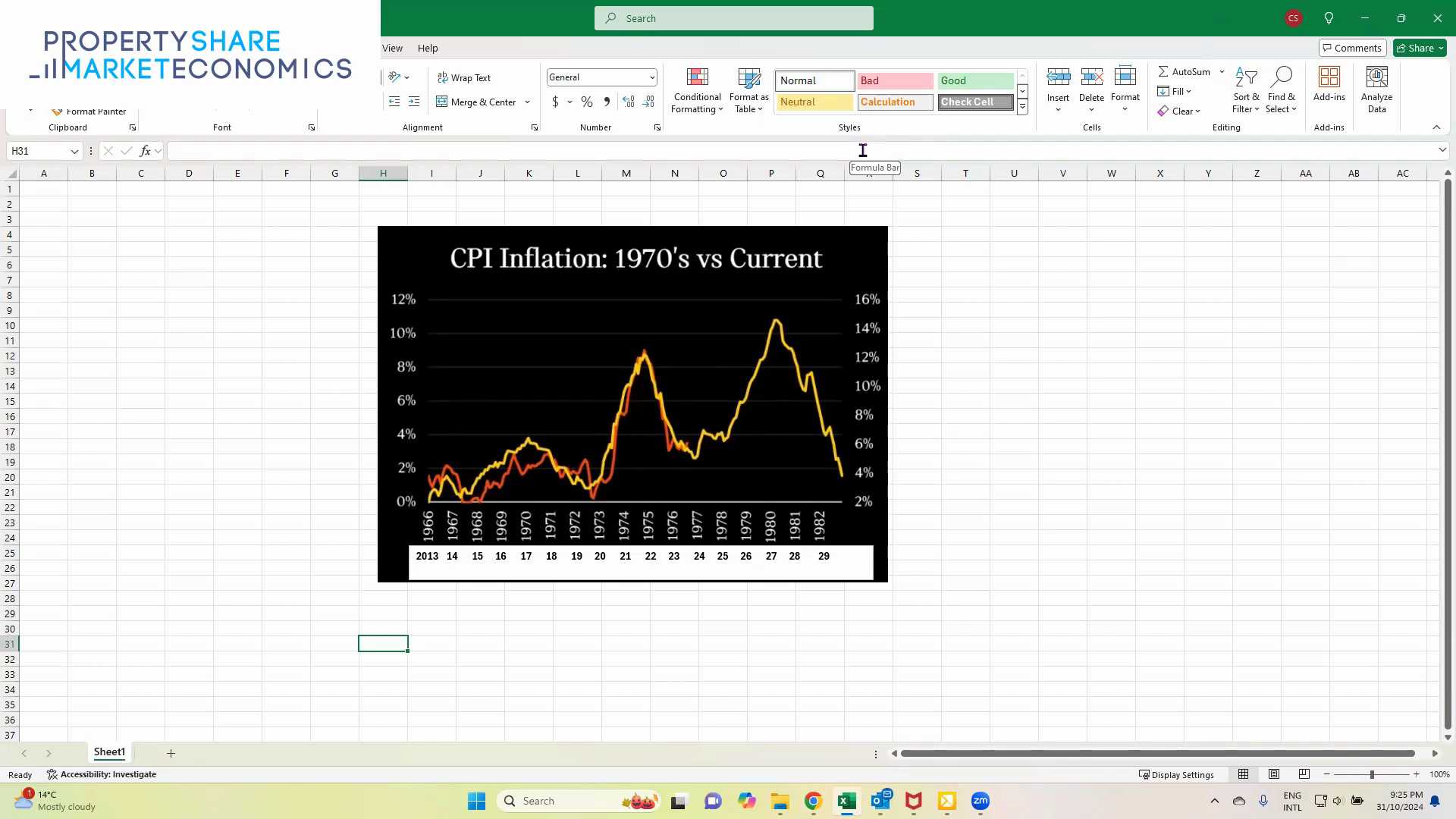 CPI comparison 1970s vs current — fiscal-driven inflation precedent.
Source: PSE Video
CPI comparison 1970s vs current — fiscal-driven inflation precedent.
Source: PSE Video
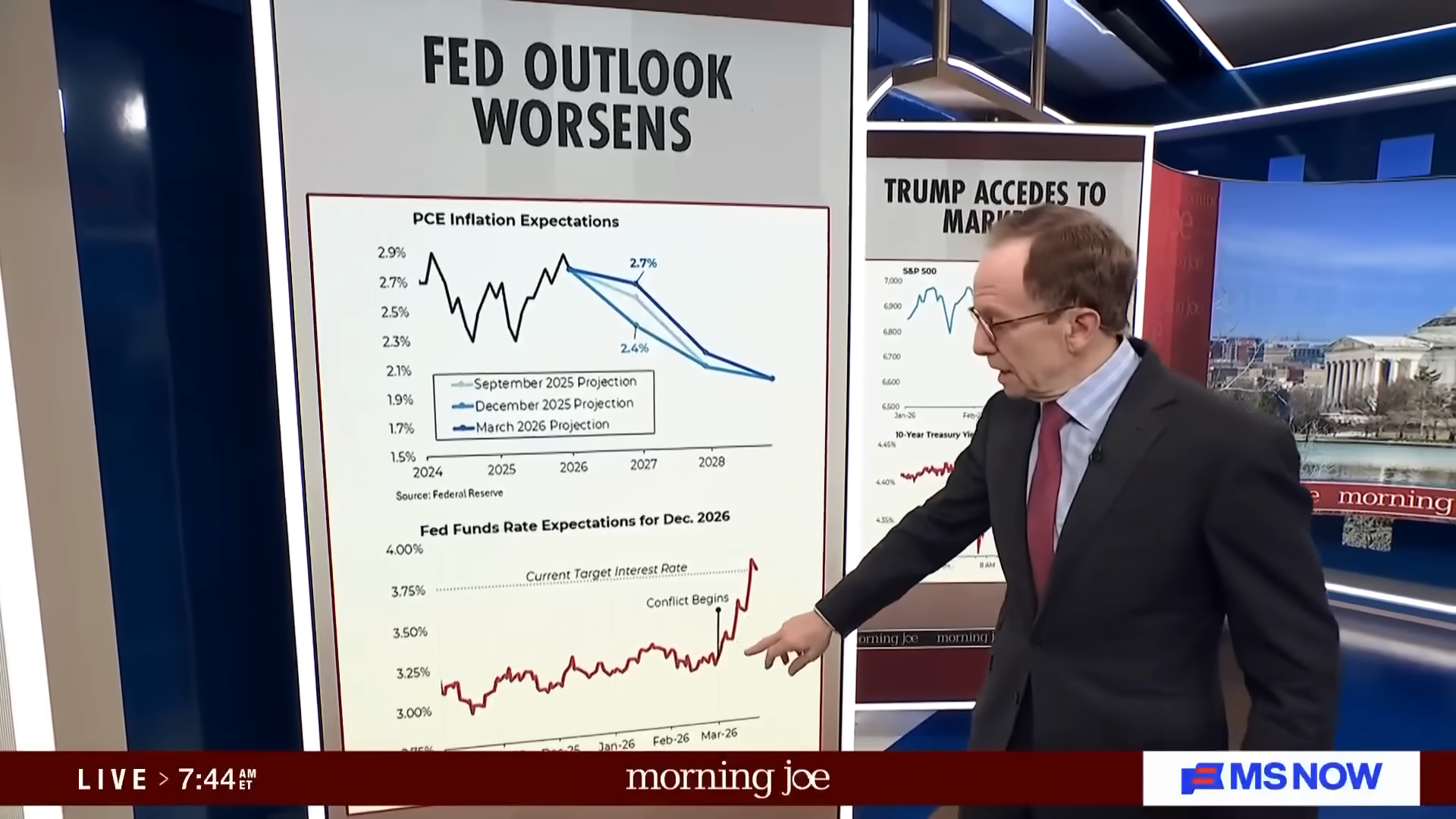 PCE inflation expectations — fiscal dominance manifesting through persistent inflation.
Source: PSE Video
PCE inflation expectations — fiscal dominance manifesting through persistent inflation.
Source: PSE Video
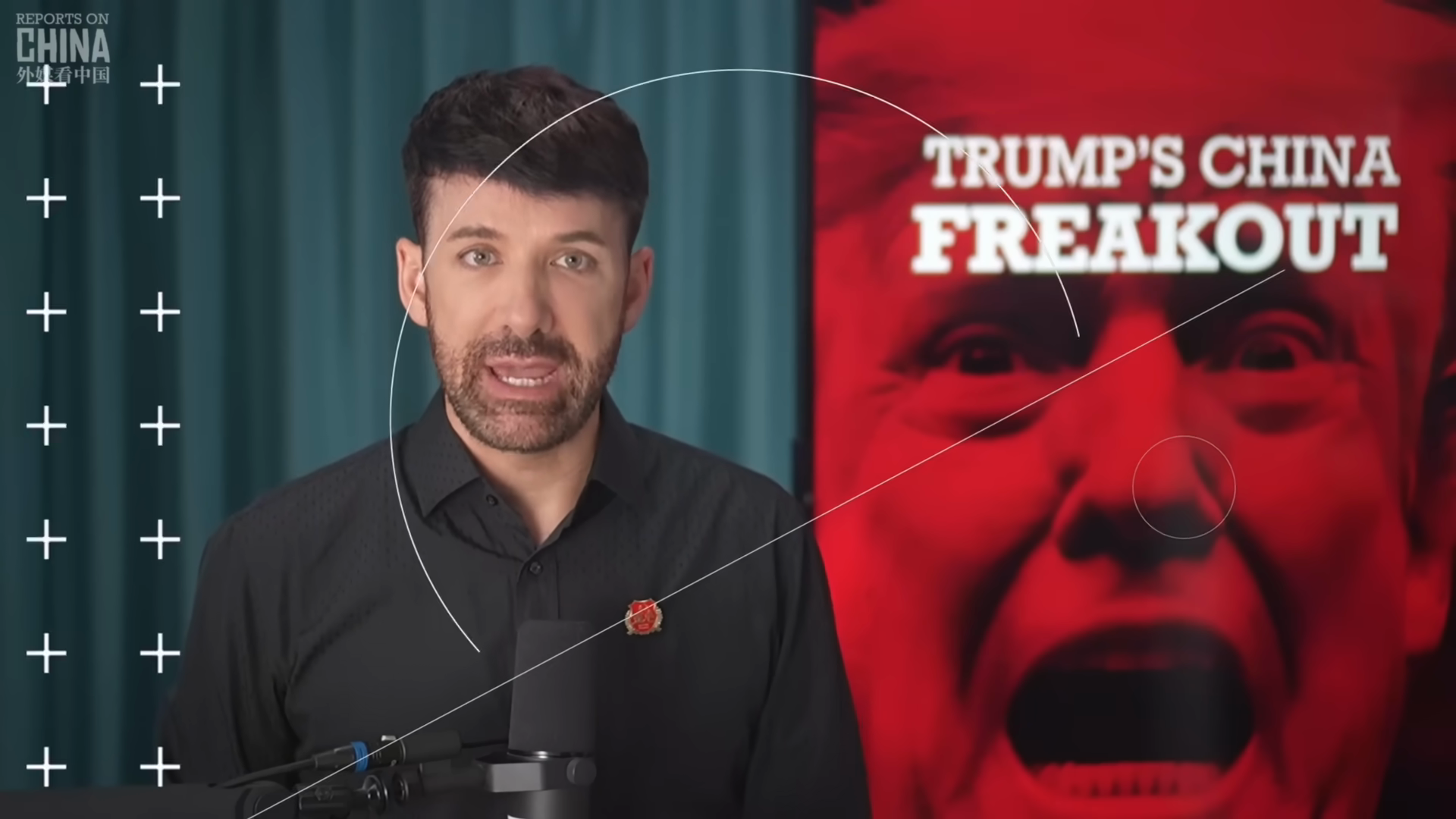 Trade war and fiscal policy — tariff revenue as fiscal tool amid debt pressures.
Source: PSE Video
Trade war and fiscal policy — tariff revenue as fiscal tool amid debt pressures.
Source: PSE Video